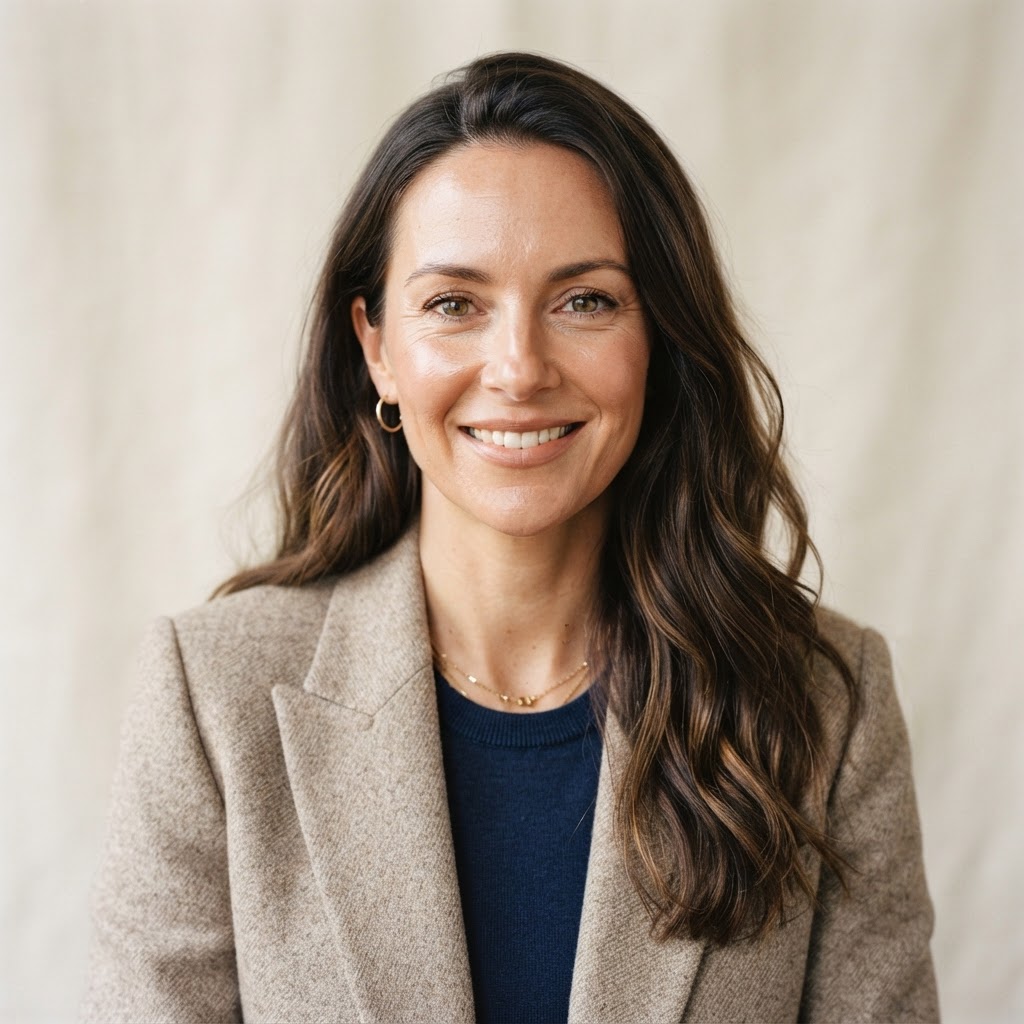
Elliot Mercer
Elliot founded ForgeLayer to bring product thinking closer to the realities of operations. He helps leadership teams turn ambitious change into focused, measurable work and keeps the studio accountable for outcomes, not theatre.

A studio built around the work
We’re an international product design and custom software partner for ambitious operations-led companies. Our first job is to understand the people, decisions and exceptions behind the process.
Our philosophy
We don’t begin with features or a preferred technology. We spend time with the people doing the work, look for the friction that matters and shape a system around the useful change.
Sometimes the right answer is a new product. Sometimes it is a clearer workflow, a carefully connected service or a better way to use software you already have. We choose the smallest effective intervention, then build it so it can adapt as the business changes.
That principle keeps the work human, the investment purposeful and the technology sustainable.
How we show up
The people behind the practice
Twelve distinct perspectives, working together with your people and sharing responsibility for the outcome.

Elliot founded ForgeLayer to bring product thinking closer to the realities of operations. He helps leadership teams turn ambitious change into focused, measurable work and keeps the studio accountable for outcomes, not theatre.


Priya works with people who hold competing priorities to find a useful product direction. Her practice joins commercial goals, user evidence and delivery realities into roadmaps teams can explain and actually follow.

Tom leads a design practice grounded in clarity and useful detail. He helps teams make dense processes understandable, builds coherent interface systems and makes room for craft without losing sight of everyday use.

Miriam guides technical decisions from early architecture through to dependable delivery. She is especially interested in making complex systems easier to change, with an emphasis on security, accessibility and sensible operational ownership.

Nia turns research into thoughtful journeys, prototypes and interface patterns. She enjoys working alongside operational teams to remove uncertainty from high-volume tasks and gives particular care to accessible, readable product details.

Arjun creates the conditions for teams to hear what users actually need. He plans inclusive research, makes sense of conflicting evidence and turns observations into specific design questions rather than broad assumptions.

Freya translates business rules into understandable system boundaries and integration plans. She looks for practical ways to connect existing tools, protect important data and keep future changes within reach.

Daniel builds the dependable foundations behind the product experience. He supports engineers through clear technical decisions, steady code review and a culture that treats maintainability as part of delivering value.

Lucy brings interface design to life with careful, resilient front-end engineering. She pays close attention to keyboard access, responsive behaviour and the small feedback moments that help people trust a digital tool.

Oliver makes complex work visible and manageable without adding process for its own sake. He helps client and studio teams surface decisions early, keep momentum through uncertainty and make delivery feel collaborative.

Amara builds quality into the way teams think, design and release. She combines exploratory testing, clear acceptance criteria and inclusive checks to catch the details that make software safe and usable.

Henry helps partnerships stay open, practical and focused on meaningful progress. He connects the right people, keeps expectations clear and makes sure each client can see how the work is moving forward.